



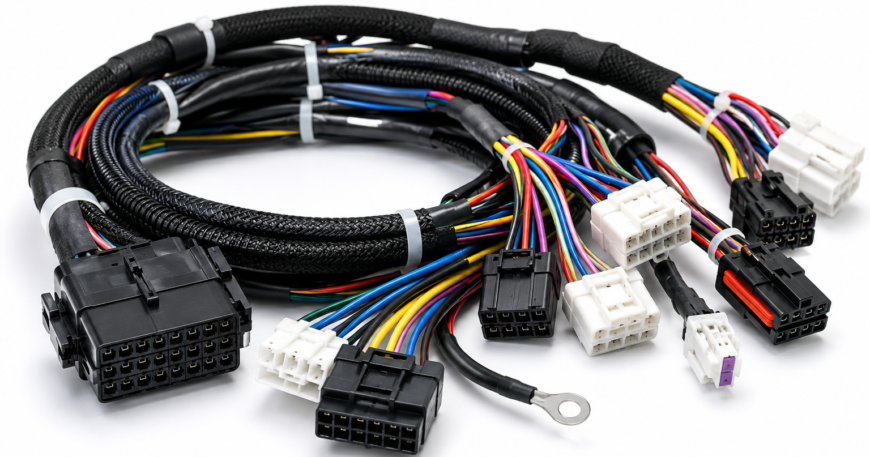
Modern elevators depend on a complex network of electrical connections to operate smoothly, safely, and efficiently. From the control panel and elevator cabin to sensors, door systems, motors, and safety devices, every component needs reliable electrical communication. Elevator harness wiring plays a vital role in connecting these components and keeping the entire elevator system organized.
Unlike traditional wiring methods that involve installing individual wires separately, an elevator wiring harness combines multiple wires, connectors, terminals, and protective materials into an organized assembly. This makes installation easier, improves reliability, reduces wiring errors, and simplifies maintenance.
In this guide, we will explore what elevator harness wiring is, how it works, its key components, applications, benefits, and the important factors to consider when selecting a reliable elevator wiring harness.
What Is Elevator Harness Wiring?
Elevator harness wiring is a pre-arranged and organized assembly of electrical wires, cables, connectors, terminals, and protective coverings designed specifically for elevator applications.
A wiring harness groups multiple electrical connections into a structured system instead of routing each wire individually. Depending on the application, the harness can be designed to carry power, control signals, sensor signals, communication signals, and other electrical connections.
Elevator harnesses can be customized according to the elevator model, control panel configuration, number of floors, equipment specifications, and installation requirements.
They are commonly used in:
- Elevator control panels
- Elevator cabins
- Machine rooms
- Hoistways
- Door systems
- Safety circuits
- Sensors and switches
- Communication systems
- Motor and drive connections
A properly designed harness helps create a cleaner and more dependable elevator electrical system.
Why Is Elevator Harness Wiring Important?
Electrical wiring is one of the most important parts of an elevator system. Poorly organized or incorrectly connected wiring can lead to operational problems, difficult troubleshooting, and unnecessary maintenance.
A properly manufactured elevator wiring harness provides several important advantages.
1. Improved Electrical Reliability
High-quality wires, connectors, and terminals provide stable electrical connections between elevator components. Properly assembled harnesses can help reduce loose connections and wiring-related faults.
2. Faster Installation
Pre-assembled harnesses reduce the amount of individual wiring required during elevator installation. Technicians can connect designated harnesses to the appropriate components, helping save installation time.
3. Reduced Wiring Errors
Because wires are organized, identified, and connected according to a defined design, the possibility of incorrect connections can be reduced.
4. Better Organization
A harness keeps multiple wires together in a structured arrangement. This creates a cleaner electrical installation and makes individual circuits easier to identify.
5. Easier Maintenance
Clearly labeled wires and connectors make troubleshooting more convenient. Technicians can identify the relevant circuit or connection without having to trace numerous loose wires.
Key Components of Elevator Harness Wiring
A reliable elevator harness consists of several components that work together to provide safe and consistent electrical connections.
Wires and Cables
The wires are the primary elements responsible for carrying electrical power and signals. Depending on the application, different wire sizes, insulation materials, and conductor specifications may be used.
High-quality copper conductors are commonly selected for their electrical conductivity and reliability.
Connectors
Connectors provide detachable electrical connections between the harness and various elevator components.
Properly selected connectors should provide secure connections and withstand the environmental conditions associated with elevator installations.
Terminals
Terminals create reliable contact points between wires and electrical components. Correct terminal selection and proper crimping are essential for maintaining connection quality.
Protective Sleeves and Conduits
Protective materials help shield wires from abrasion, movement, dust, moisture, and other environmental factors.
Depending on the application, harnesses may use sleeves, conduits, braided protection, or other cable-management solutions.
Wire Labels and Markings
Identification labels make it easier to determine where each wire or connector should be connected.
Clear labeling is particularly useful during installation, inspection, troubleshooting, and maintenance.
Clips, Ties, and Cable Management
Cable ties, clips, clamps, and other securing components help keep the harness properly positioned and prevent unnecessary movement.
Proper cable management is especially important in elevator applications where vibration and continuous movement can occur.
Types of Elevator Harness Wiring
Different elevator systems require different wiring harness configurations. A harness can be customized according to its location and purpose.
Control Panel Harness
A control panel wiring harness connects different electrical and electronic components inside the elevator control cabinet. It may connect controllers, relays, contactors, drives, power supplies, terminal blocks, and other control components.
An organized control panel harness can make the cabinet cleaner and easier to maintain.
Cabin Harness
The cabin harness connects electrical components inside or around the elevator car. These can include:
- Car operating panels
- Floor indicators
- Emergency buttons
- Cabin lights
- Fans
- Door systems
- Communication equipment
- Sensors
Hoistway Harness
A hoistway harness connects components installed throughout the elevator shaft. It may be used for sensors, switches, position-related devices, safety systems, and communication connections.
Door Harness
Door harnesses connect components involved in elevator door operation, including door motors, sensors, switches, and other electrical devices.
Reliable door wiring is essential because the door system is closely integrated with elevator control and safety functions.
Machine Room Harness
In applicable elevator configurations, machine room harnesses can connect the control system with motors, brakes, encoders, drives, and other equipment.
Applications of Elevator Harness Wiring
Elevator harness wiring is used in a wide range of elevator systems and applications.
Common applications include:
- Passenger elevators
- Residential elevators
- Commercial elevators
- Hospital elevators
- Goods and freight elevators
- Industrial elevators
- High-rise elevator systems
- Home elevators
- Modernization and replacement projects
Because harnesses can be customized, they can be designed for different elevator capacities, control systems, layouts, and component configurations.
Benefits of Using Pre-Assembled Elevator Wiring Harnesses
One of the biggest advantages of using a pre-assembled elevator wiring harness is consistency.
Instead of manually preparing every wire during installation, the harness can be manufactured and assembled according to predefined specifications.
Faster Installation
Pre-assembled harnesses can significantly simplify field installation because wires and connectors are already organized.
Consistent Quality
Manufacturing harnesses in a controlled environment allows assembly and inspection procedures to be standardized.
Cleaner Installation
Bundled and properly routed wires create a more organized electrical system compared with numerous loose individual wires.
Easier Troubleshooting
Wire identification and connector organization help technicians locate and understand circuits more efficiently.
Reduced Installation Complexity
A properly designed harness reduces the amount of manual wiring required at the installation site.
Best Practices for Elevator Harness Wiring
The performance of an elevator harness depends on proper design, manufacturing, installation, and maintenance.
Use Quality Materials
Choose suitable wires, connectors, terminals, protective sleeves, and other components according to the electrical and environmental requirements of the application.
Follow Correct Routing
Harnesses should be routed carefully to avoid excessive bending, sharp edges, heat sources, and moving mechanical components.
Secure the Harness Properly
Appropriate clips, clamps, and cable-management systems should be used to prevent unnecessary movement or strain on electrical connections.
Label Connections Clearly
Every wire and connector should be identified according to the wiring design. Clear identification makes future maintenance much easier.
Check Connections
Connections should be inspected for proper crimping, secure terminals, connector engagement, and overall assembly quality.
Maintain Proper Documentation
Wiring diagrams, connector information, labels, and harness specifications should be maintained for installation and future servicing.
How to Choose the Right Elevator Harness Wiring
Choosing the right elevator harness requires more than simply selecting wires and connectors.
The harness should be designed according to the elevator’s electrical architecture and the components it needs to connect.
Important factors include:
- Voltage and current requirements
- Number of circuits
- Wire size
- Connector type
- Cable length
- Environmental conditions
- Movement and flexibility requirements
- Protection requirements
- Control panel configuration
- Elevator manufacturer specifications
- Installation method
- Maintenance requirements
Working with an experienced elevator harness wiring manufacturer can help ensure that the harness is designed and assembled according to the requirements of the elevator system.
Why Professional Elevator Harness Manufacturing Matters
Elevator electrical systems require precision because multiple components must communicate and operate together.
A professionally manufactured harness can provide organized connections, consistent assembly, proper identification, and improved installation efficiency.
For elevator manufacturers, contractors, and modernization companies, using properly engineered harness assemblies can simplify electrical integration while supporting long-term system reliability.
The harness should also be tested and inspected according to the applicable project requirements before being integrated into the elevator system.
Conclusion
Elevator harness wiring is an essential part of modern elevator electrical systems. It provides organized connections between control panels, cabins, doors, sensors, safety devices, drives, motors, and other elevator components.
Compared with individually routed wires, a properly designed wiring harness can improve organization, simplify installation, reduce wiring errors, and make maintenance easier.
From passenger and commercial elevators to industrial and residential systems, customized elevator wiring harnesses can be designed to meet the specific requirements of different applications.
Choosing high-quality materials, reliable connectors, proper protection, accurate labeling, and professional assembly is essential for creating a dependable elevator electrical connection system.
For elevator manufacturers and system integrators, investing in well-designed harness wiring is not just about making installation easier—it is an important step toward creating a more organized, reliable, and maintainable elevator system.